
Everything you need to know before selling your house in the UK valuations, estate agents, legal steps, costs, timelines, and smart selling tips.
Selling your house is one of the biggest financial decisions you’ll ever make. Whether you're upgrading, relocating, downsizing, or releasing equity, understanding the process can help you sell faster, reduce stress, and maximize your final sale price.
The UK property market has its own rules, timelines, legal requirements, and hidden costs. If you're planning a move, this complete guide covers everything you need to know before selling your house in the UK from valuation and marketing to legal paperwork and exchange of contracts.
Let’s break it down step by step.
Understanding the UK Property Market
Before listing your property, it’s important to understand current market conditions.
Is It a Buyer’s or Seller’s Market?
Seller’s market: High demand, fewer properties available, higher sale prices.
Buyer’s market: More properties than buyers, longer selling times, price negotiations.
Property values vary significantly between regions such as London, Manchester, and Birmingham, so always research local trends rather than relying on national averages.
Step 1: Get an Accurate Property Valuation
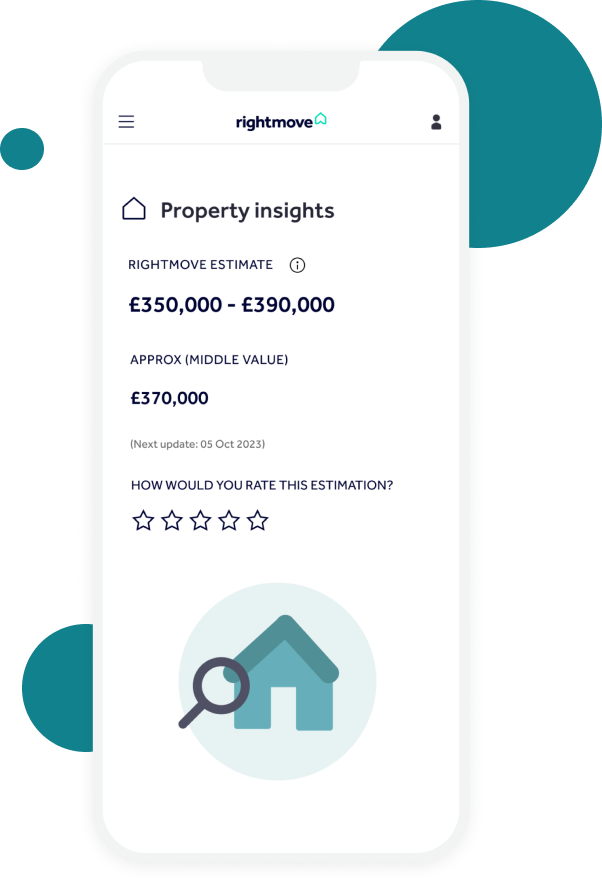
Pricing your home correctly is critical. Overpricing can delay your sale; underpricing may cost you thousands.
How to Value Your Home
- Request valuations from at least 2–3 estate agents
- Compare similar properties recently sold in your area
- Consider online valuation tools for rough estimates
Remember, asking price and final sale price may differ.
Step 2: Decide How to Sell Your Property
There are several ways to sell your home in the UK.
1. Traditional Estate Agent
Using an estate agent is the most common route.
Pros:
- Professional marketing
- Negotiation expertise
- Wider buyer reach
Cons:
- Commission fees (typically 1%–3% + VAT)
Well-known agencies include brands like Savills and Purplebricks.
2. Online Property Platforms
Platforms such as Rightmove and Zoopla list most UK properties.
Many online agents offer fixed fees rather than commission percentages.
3. Sell It Yourself (Private Sale)
This option can save on fees but requires you to manage viewings, negotiations, and marketing yourself.
Step 3: Prepare Your Property for Sale
First impressions matter.
Key Preparation Steps
- Declutter and depersonalize
- Deep clean every room
- Repair visible damage
- Improve curb appeal
- Stage key areas (kitchen and living room especially)
Small upgrades like fresh paint or updated lighting can significantly impact buyer perception.
Step 4: Understand Legal Requirements
Selling property in the UK involves legal paperwork and compliance.
You’ll Need:
- Energy Performance Certificate (EPC)
- Property Information Form (TA6)
- Fittings and Contents Form (TA10)
- Title deeds
A solicitor or licensed conveyancer handles the legal transfer process.
Step 5: Accepting an Offer and Negotiation
Once offers come in, consider:
- Buyer’s financial position
- Whether they are chain-free
- Mortgage approval status
- Completion timeline
The highest offer isn’t always the best offer if delays are likely.
Step 6: Exchange of Contracts and Completion
The sale becomes legally binding only at exchange of contracts.
Timeline Overview
- Offer accepted
- Surveys and mortgage checks
- Contracts exchanged
- Completion date agreed
- Keys handed over
The entire process usually takes 8–12 weeks but can vary depending on chains and legal delays.
Costs Involved in Selling a House in the UK
Selling isn’t free here are typical costs to expect:
- Estate agent fees
- Solicitor/conveyancing fees
- EPC certificate
- Removal services
- Mortgage exit fees (if applicable)
Budgeting properly prevents surprises later.
Common Mistakes to Avoid
- Overpricing your property
- Ignoring minor repairs
- Failing to check buyer credentials
- Choosing the cheapest agent without reviewing performance
- Underestimating legal timelines
Preparation reduces delays and stress.
How Long Does It Take to Sell a House in the UK?
The timeline depends on:
- Market demand
- Property condition
- Location
- Whether there is a property chain
On average, expect around 2–3 months from listing to completion.
Tips to Sell Faster and for a Better Price
- Price competitively from the start
- Use professional photography
- Highlight energy efficiency and upgrades
- Be flexible with viewings
- Respond quickly to buyer inquiries
Presentation and responsiveness matter.
Should You Sell Now or Wait?
This depends on:
- Current market conditions
- Your financial situation
- Interest rates
- Personal circumstances
If you’re ready and financially prepared, timing the market perfectly is less important than making a well-informed decision.
Selling Smart in the UK Property Market
Selling your home is both an emotional and financial journey. Understanding valuations, legal steps, fees, and market conditions puts you in control of the process.
By preparing properly, pricing strategically, and choosing the right selling method, you can move forward confidently and maximize your outcome.
If you're planning to sell your house in the UK, start by getting multiple valuations and understanding your local market. Preparation and knowledge are your strongest advantages.